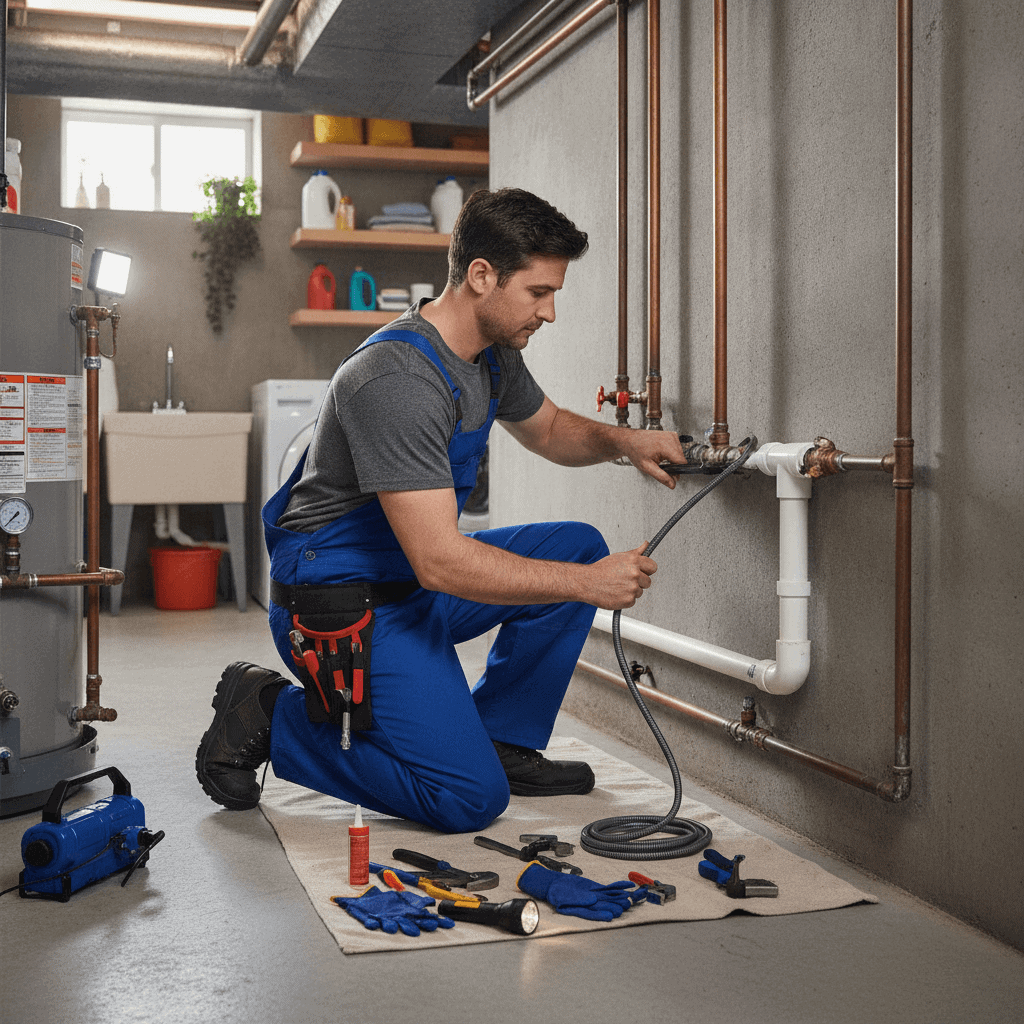
As a homeowner, I know that keeping everything running smoothly can feel like a constant effort. We often focus on visible issues like leaky faucets or clogged drains, but the unseen network of pipes beneath our homes deserves just as much attention. Ignoring these hidden systems can lead to much bigger problems later. These issues can cost a lot of money and cause significant disruption to our daily lives.
Maintaining our plumbing does not have to be a daunting task. With a little knowledge and consistent effort, we can prevent many common issues before they start. My goal is to share practical insights that empower you to take control of your home’s piping. This way you can ensure its long-term health and efficiency. It really makes a difference to be proactive.
This article will cover the essentials of standard residential pipe maintenance. We will look at everything from understanding your home’s plumbing layout to implementing simple preventive measures. These steps are crucial for anyone who wants to avoid unexpected plumbing emergencies. They help protect your home and your wallet from unnecessary expenses.
Understanding Your Home’s Plumbing System
Before we can maintain our pipes, we need to understand how they work. Your home’s plumbing is a complex system designed to bring fresh water in and take wastewater out. It is often hidden behind walls and under floors but its function is absolutely critical. Knowing the basic layout helps in identifying potential problem areas and understanding where to focus our maintenance efforts.
I find that many homeowners are unfamiliar with their main shut-off valve. This is an essential piece of knowledge for any emergency. Knowing where it is and how to turn it off quickly can prevent extensive water damage. This is especially true during a burst pipe situation. Take a few minutes to locate it today if you have not already done so.
The Basics of Water Supply and Drainage
Fresh water enters your home through a main supply line. This line typically comes from a municipal source or a well. It then branches out to all your fixtures and appliances. This includes sinks, toilets, showers, washing machines, and dishwashers. The water pressure is usually regulated but can fluctuate. Hard water can also cause mineral buildup over time.
On the other side, a separate system handles wastewater. This network of drainpipes collects water from your sinks, showers, and toilets. It then directs it into a main sewer line. This main line leads either to a municipal sewer system or a septic tank. Proper slopes and venting are essential for efficient drainage. Any blockages in this system can cause backups and overflows.
Common Pipe Materials in Residential Homes
Residential pipes come in various materials, each with its own characteristics. Older homes often have galvanized steel or cast iron pipes. These materials can be prone to corrosion and rust. This leads to reduced water flow and leaks. Copper pipes are common in many homes. They are durable and resistant to corrosion. But they can be more expensive to install.
Modern homes frequently use PEX (cross-linked polyethylene) or PVC (polyvinyl chloride) pipes. PEX is flexible and easy to install. It is also resistant to freezing and scale buildup. PVC is rigid and commonly used for drainage systems. Understanding your pipe materials helps you anticipate potential issues. It also guides appropriate maintenance strategies. Each material has its own lifespan and specific care requirements.
Establishing a Regular Maintenance Schedule
Just like with your car or your HVAC system, consistent maintenance is key for your plumbing. I advocate for a proactive approach. It helps avoid costly repairs and inconvenient breakdowns. Establishing a routine schedule ensures that small problems are caught early. This prevents them from escalating into major emergencies.
I understand that it is easy to forget about plumbing until something goes wrong. But putting a few simple tasks on your calendar can make a huge difference. Think of it as an investment in your home’s longevity and your peace of mind. A little effort each month or season can save you a lot of headaches later. It also extends the life of your plumbing system.
Monthly and Quarterly Checks
On a monthly basis, I recommend checking all your visible pipes for leaks or drips. Pay close attention to areas under sinks, around toilets, and near water heaters. Look for any signs of water stains on floors or cabinets. Listen for unusual sounds like dripping inside walls. Also, test all your drains to make sure water flows freely. If you notice slow drains, it is time to act before they become full clogs.
Quarterly, expand your checks to include flushing out your water heater. This helps remove sediment buildup. Also inspect appliance hoses for cracks or bulges. These include washing machine hoses and dishwasher supply lines. Check the water pressure at various faucets. If it seems lower than usual, it could indicate a buildup or a larger issue. These regular checks help you stay on top of your plumbing’s health.
Annual Professional Inspections
While DIY checks are valuable, an annual professional inspection is also a smart move. A qualified plumber can identify issues that might be invisible to the untrained eye. They can inspect your main sewer line with cameras. This helps check for tree root intrusion or cracks. They can also assess the condition of your water heater. This includes checking for anode rod wear.
Professionals have specialized tools and expertise. They can provide a comprehensive overview of your entire plumbing system. This helps catch potential problems before they cause significant damage. Consider this annual checkup as a preventative measure. It helps ensure your pipes are in top working order. If you need help finding a reliable professional, consider talking with Abacus Plumbing who can connect you with experienced technicians in your area.
Preventative Measures for Common Pipe Issues
Many common plumbing problems are entirely preventable with simple habits and products. I have seen countless issues that could have been avoided with a bit of foresight. These proactive steps not only save you money but also reduce stress. They keep your home running smoothly without unexpected disruptions.
Small changes in our daily routines can have a big impact on our pipes’ health. It is about being mindful of what goes down our drains and how we treat our fixtures. Investing a little time in prevention now will pay dividends in the long run. It helps you avoid those emergency calls to the plumber.
Avoiding Clogs and Blockages
Clogs are one of the most frequent plumbing headaches. The best way to deal with them is to prevent them from forming. In the kitchen, never pour grease or oil down the drain. These substances solidify and create stubborn blockages. Instead, collect them in a container and dispose of them in the trash. Use strainers in your sink to catch food particles.
In the bathroom, hair is the biggest culprit for drain clogs. Install hair catchers in your shower and sink drains. Regularly clean these out. Avoid flushing anything other than human waste and toilet paper down the toilet. Wet wipes, even those labeled “flushable,” can cause significant problems in your sewer line. Being mindful of what goes down the drain is your first line of defense.
Protecting Pipes from Freezing
Freezing pipes can cause extensive damage, leading to bursts and costly repairs. During winter months, I take extra precautions to insulate exposed pipes. These include pipes in unheated basements, crawl spaces, and exterior walls. You can use foam insulation sleeves available at hardware stores. This is an easy and effective DIY project.
For outdoor faucets and sprinkler systems, ensure they are properly drained and shut off before temperatures drop. Disconnect garden hoses and store them away. If you are going away during cold weather, keep your thermostat set to at least 55 degrees Fahrenheit. This helps prevent pipes from freezing. Let a small trickle of water run from faucets farthest from the water supply. This helps relieve pressure and keeps water moving. These simple steps can save you from a major plumbing disaster.
Addressing Water Quality and Its Impact
The quality of water flowing through your pipes has a direct impact on their longevity and your health. I have observed that issues like hard water or contaminants can slowly degrade your plumbing system. They can also affect the efficiency of your appliances. Addressing these concerns is an essential part of comprehensive pipe maintenance.
Many homeowners overlook water quality. But it plays a significant role in how well your pipes perform over time. Taking steps to improve your water quality can extend the life of your plumbing. It can also enhance the safety and taste of your drinking water. It is a worthwhile investment for your home and family.
Dealing with Hard Water and Mineral Buildup
Hard water contains high levels of minerals like calcium and magnesium. These minerals can accumulate inside your pipes. This leads to scale buildup. This buildup reduces water flow and pressure. It also makes your water heater work harder. Over time, it can corrode pipes and damage appliances.
Installing a water softener is an effective solution for hard water. It removes these minerals before they enter your plumbing system. Regular maintenance of your water heater, such as flushing it annually, also helps remove accumulated sediment. Using descaling agents in appliances like coffee makers or dishwashers can also prevent mineral deposits. These steps preserve your pipes and keep your water flowing freely.
Monitoring for Contaminants and Corrosion
Water contaminants can come from various sources. These include aging pipes, municipal issues, or well water problems. Lead is a common concern in older homes with lead pipes or solder. Corrosion can also release metals into your drinking water. This affects taste and safety. I recommend getting your water tested periodically, especially if you have an older home or well water.
Signs of corrosion include discolored water, metallic taste, or pinhole leaks. If you detect any of these, it is important to investigate the cause. A whole-house water filter can help remove many contaminants. Replacing old, corroded pipes with modern materials like PEX can also significantly improve water quality and system health. Always prioritize safe drinking water for your family.
Maintaining Your Water Heater and Appliances
Your water heater and water-using appliances are integral to your home’s plumbing. They require specific attention as part of your overall pipe maintenance strategy. I find that neglecting these components can lead to inefficient operation. It can also cause unexpected failures. Regular care ensures they function optimally and last longer.
Many of us forget about our water heater until we run out of hot water. But a little preventative maintenance can save you from that cold shower shock. Extending the life of your appliances also saves you money in replacement costs. It is all about smart and consistent upkeep.
Water Heater Flushing and Inspection
Sediment buildup is a primary enemy of your water heater. It reduces efficiency and shortens its lifespan. I recommend flushing your water heater annually to remove this sediment. This process is straightforward and can be a DIY task for many homeowners. First, turn off the cold water supply and the power to the heater. Then connect a hose to the drain valve and direct it to a floor drain or outside.
Open the drain valve and allow the tank to empty completely. Once the water runs clear, close the drain valve and refill the tank before turning the power back on. During this time, inspect the relief valve for proper function. Also look for any leaks around connections. This simple annual flush makes a big difference in performance and longevity.
Caring for Dishwashers Washing Machines and Refrigerators
Appliances that use water also need regular maintenance to prevent plumbing issues. For dishwashers, regularly clean the filter to prevent food particles from clogging the drain. Run a descaling cycle with vinegar or a specialized cleaner to remove mineral buildup. This ensures efficient cleaning and prevents drain issues.
Washing machines require checking and cleaning the inlet screens on the water supply hoses. This prevents sediment from entering the machine. Inspect the hoses themselves for cracks or leaks. Replace rubber hoses with braided stainless steel hoses for extra durability. For refrigerators with ice makers or water dispensers, replace the water filter regularly according to the manufacturer’s recommendations. This prevents clogs and ensures fresh, clean water. These small steps extend the life of your appliances and prevent costly plumbing repairs.
Conclusion Maximizing Your Home’s Plumbing Lifespan
I hope this guide has shown you that standard residential pipe maintenance is not just about fixing problems but preventing them. Our home’s plumbing system is a critical component that works tirelessly every day. A little attention and care can significantly extend its lifespan. This saves you from expensive repairs and inconvenient emergencies. By understanding your system, establishing a regular maintenance schedule, and taking preventative measures, you are investing in the comfort and safety of your home.
From understanding different pipe materials to knowing when to call a professional for an annual inspection, every step you take contributes to a healthier plumbing system. Remember to be mindful of what goes down your drains and to protect your pipes from freezing during colder months. Addressing water quality issues like hard water and monitoring for contaminants also plays a vital role. Proper care for your water heater and other water-using appliances further ensures your entire system operates efficiently.
Taking a proactive approach to your home’s plumbing is always the best strategy. It gives you peace of mind knowing that you are protecting one of your most valuable assets. Do not wait for a leak or a clog to remind you about your pipes. Start implementing these maintenance tips today. Your future self and your wallet will certainly thank you for it. By integrating these practices into your homeowner routine, you truly maximize your home’s plumbing lifespan. You also create a more resilient and worry-free living environment for everyone.